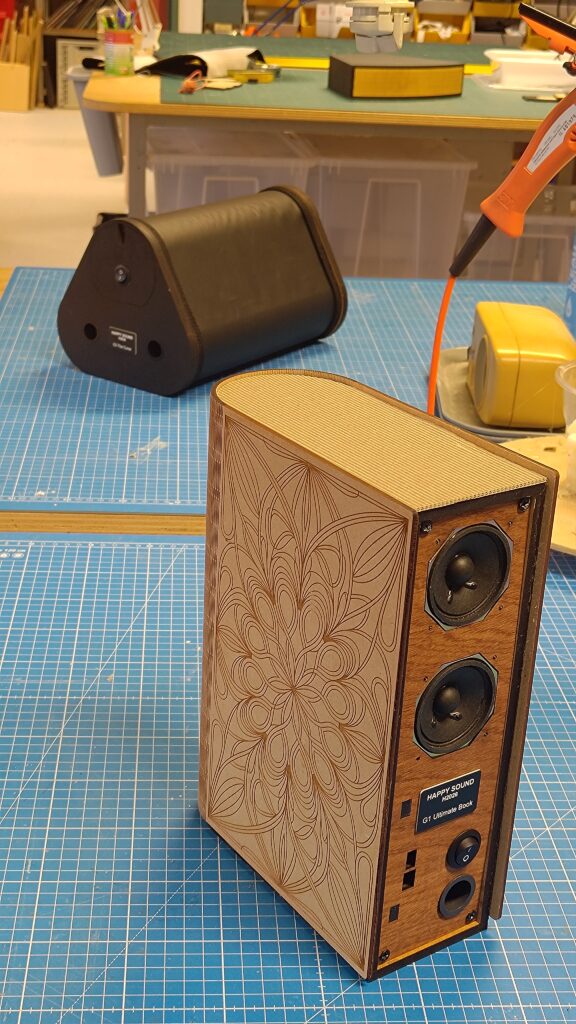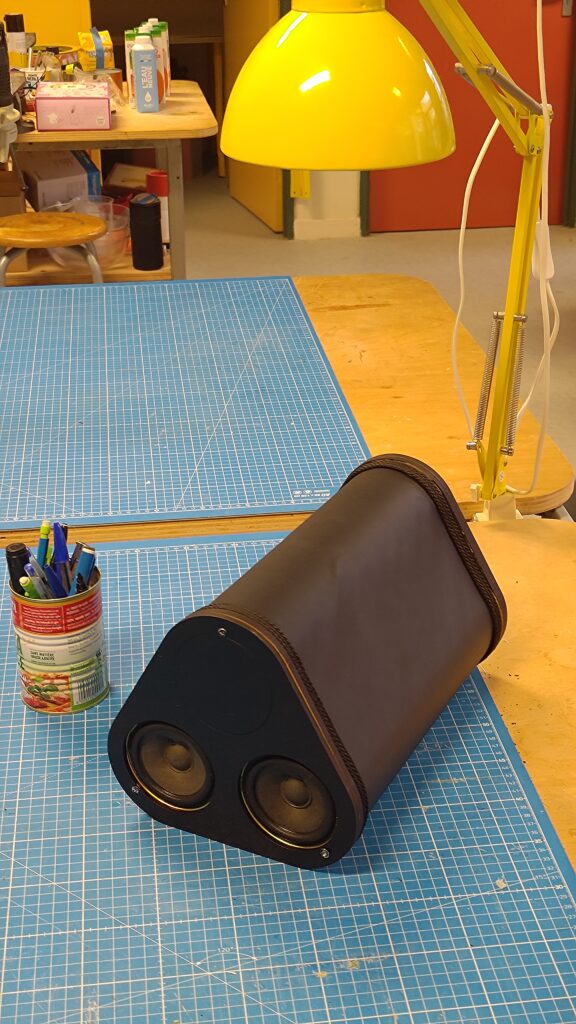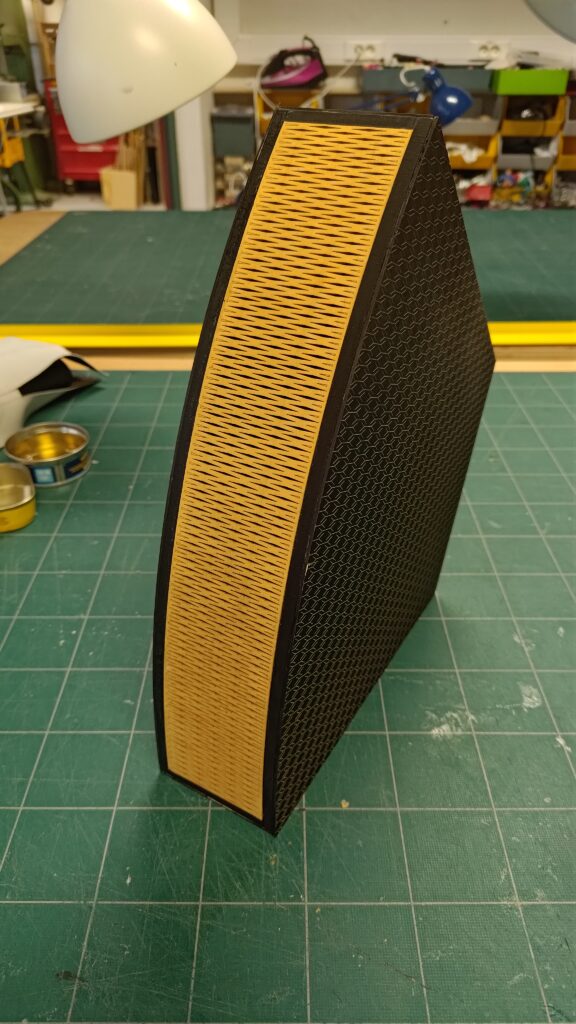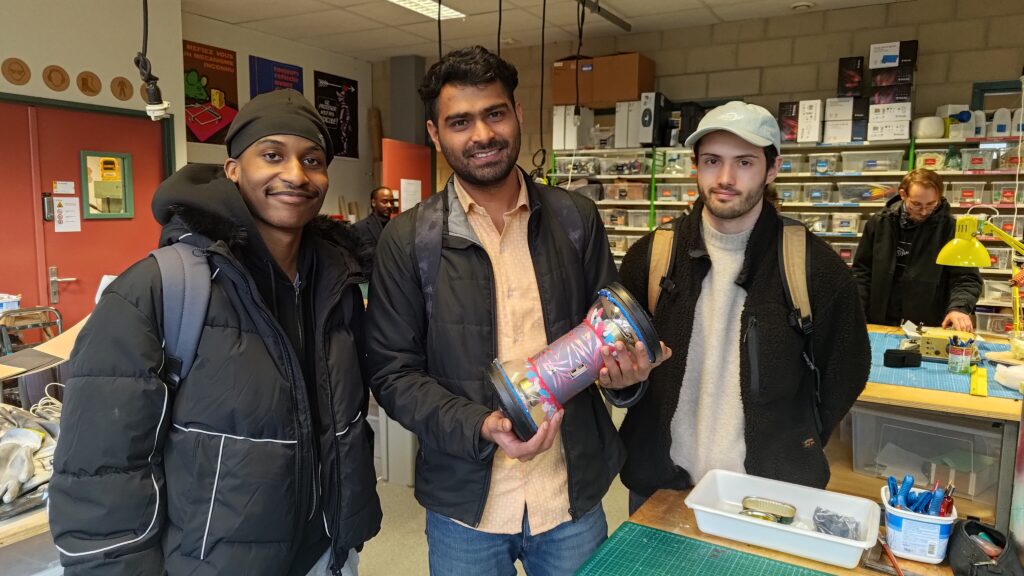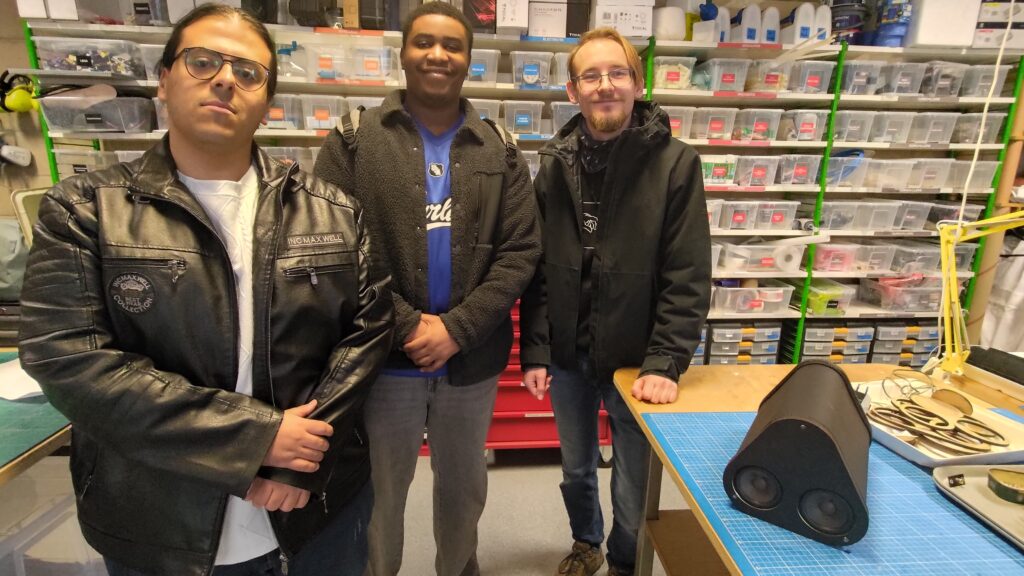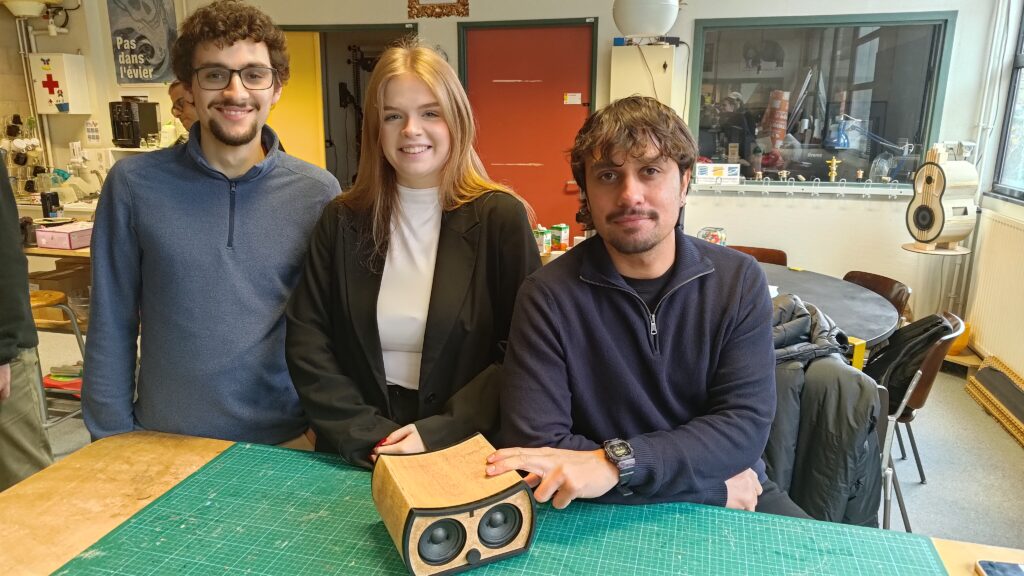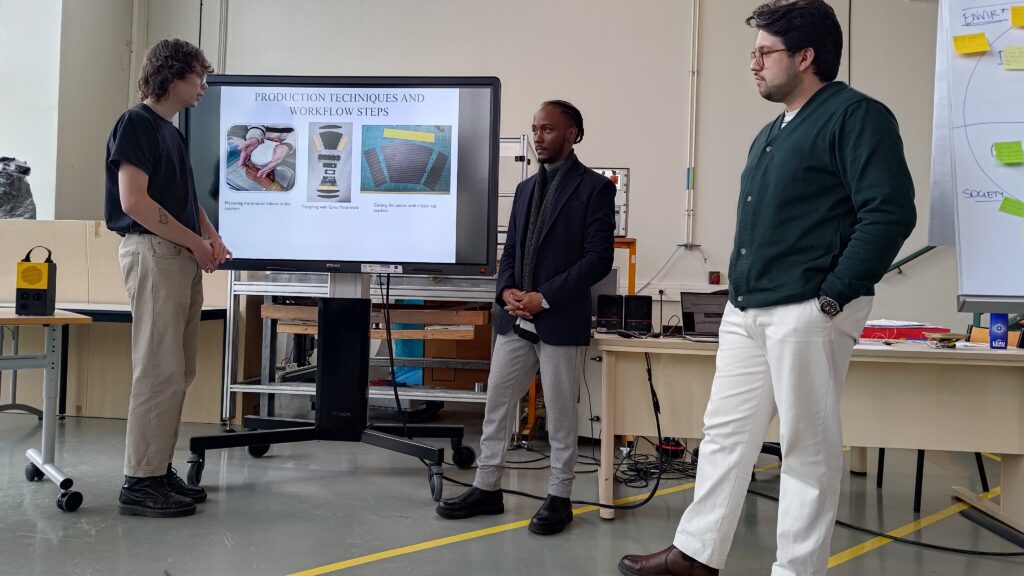
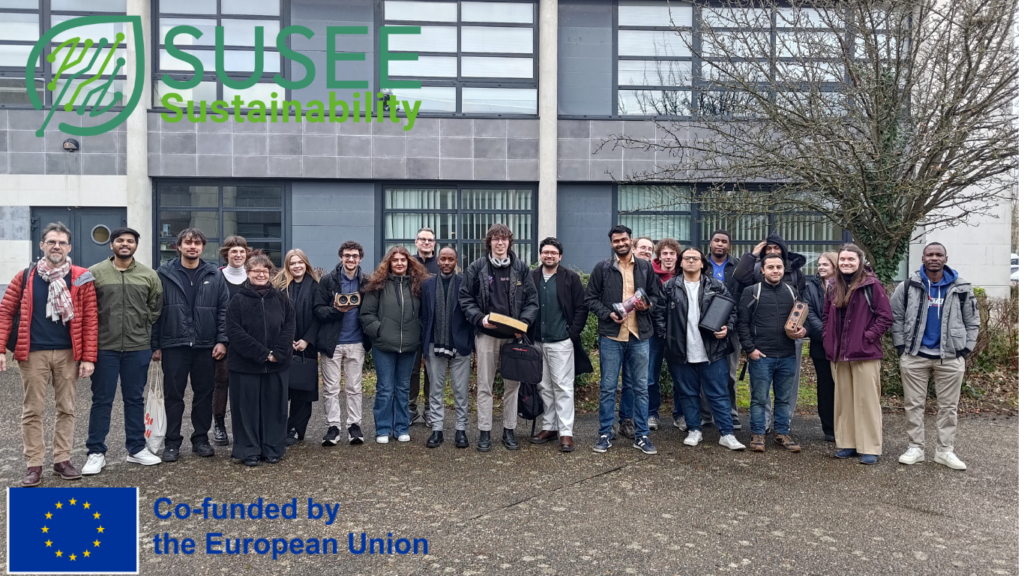
The Happy Sound 2026 – Upcycled Loudspeaker Design Workshop has successfully come to an end, marking an intensive and inspiring week of learning, collaboration, and hands-on work focused on sustainability, design, and sound engineering.
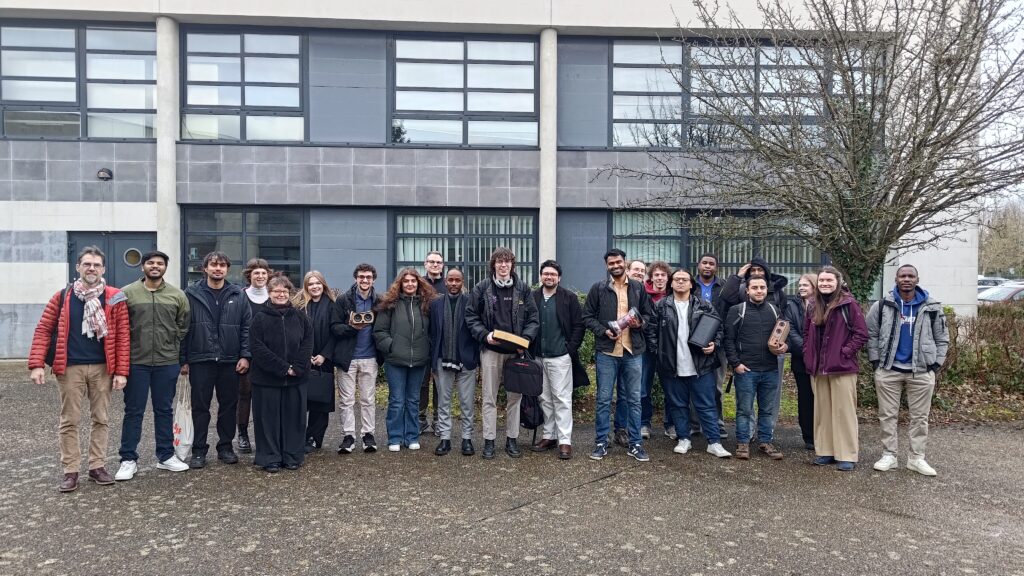
The workshop brought together student representatives from all project partners – UTC, UITM, TUI, and unibz, creating a truly international and interdisciplinary learning environment. From the very first day, participants engaged in building connections, exchanging ideas, and working collaboratively toward a shared goal.
A week of learning, design, and sustainability
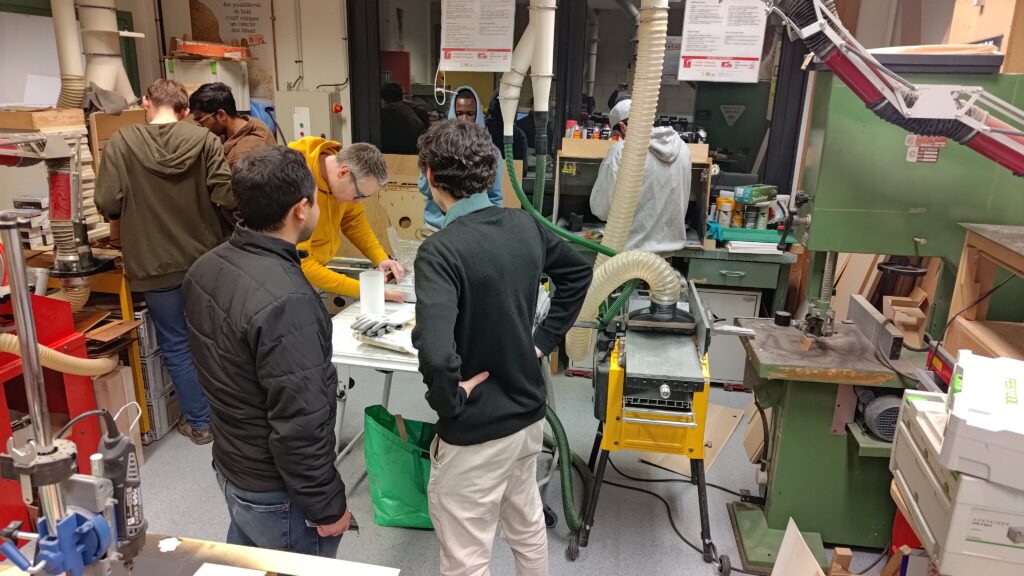
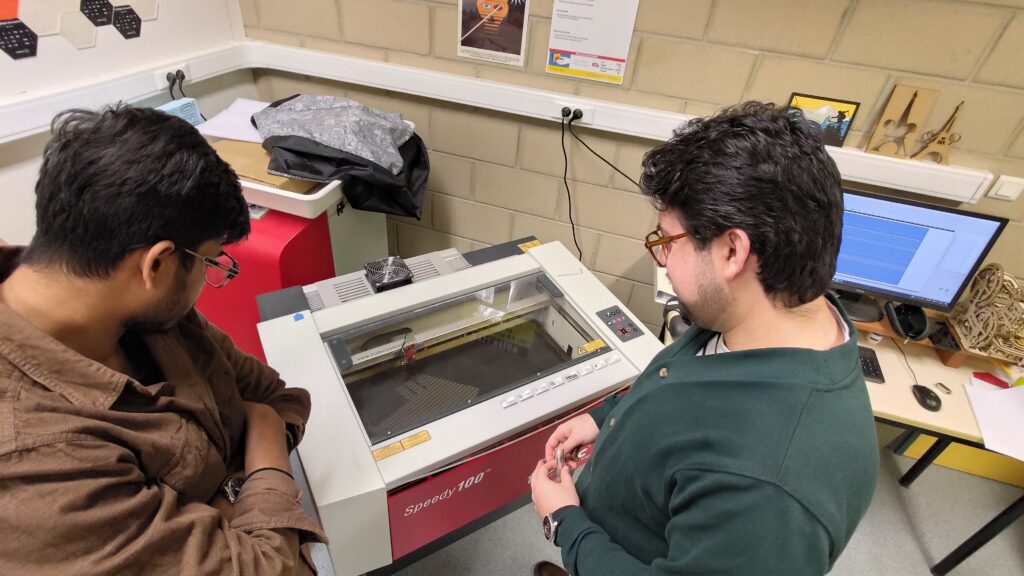
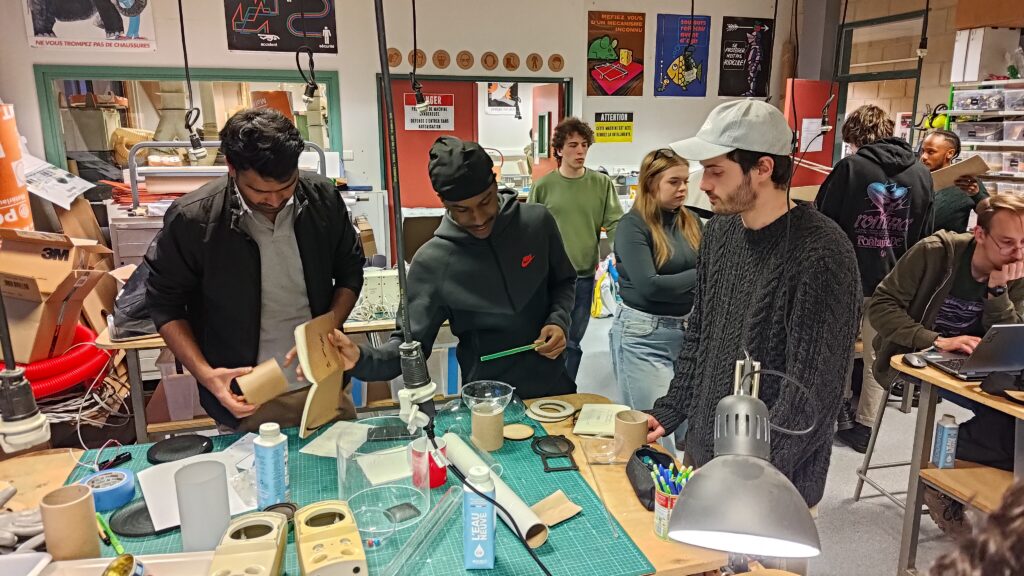
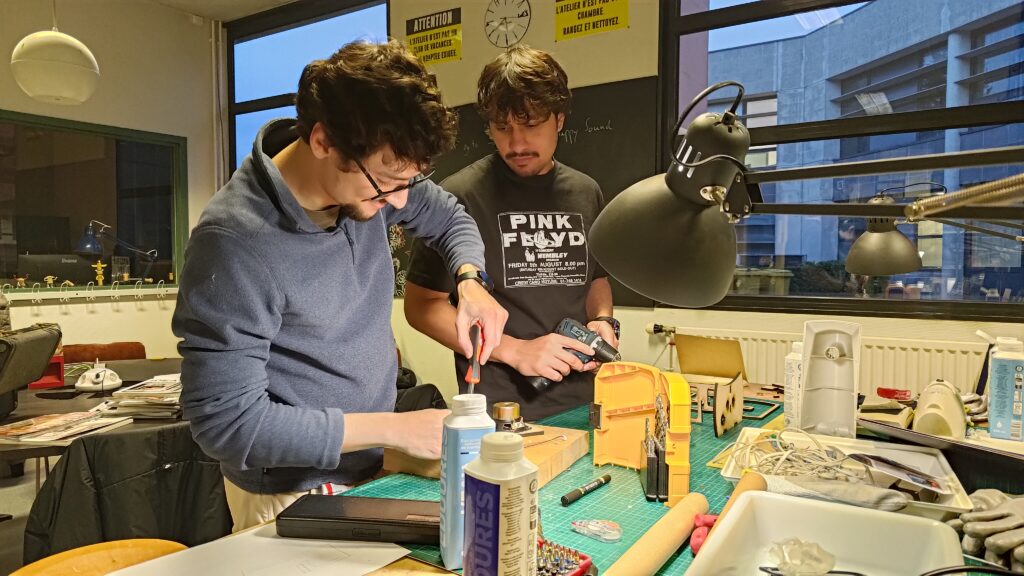
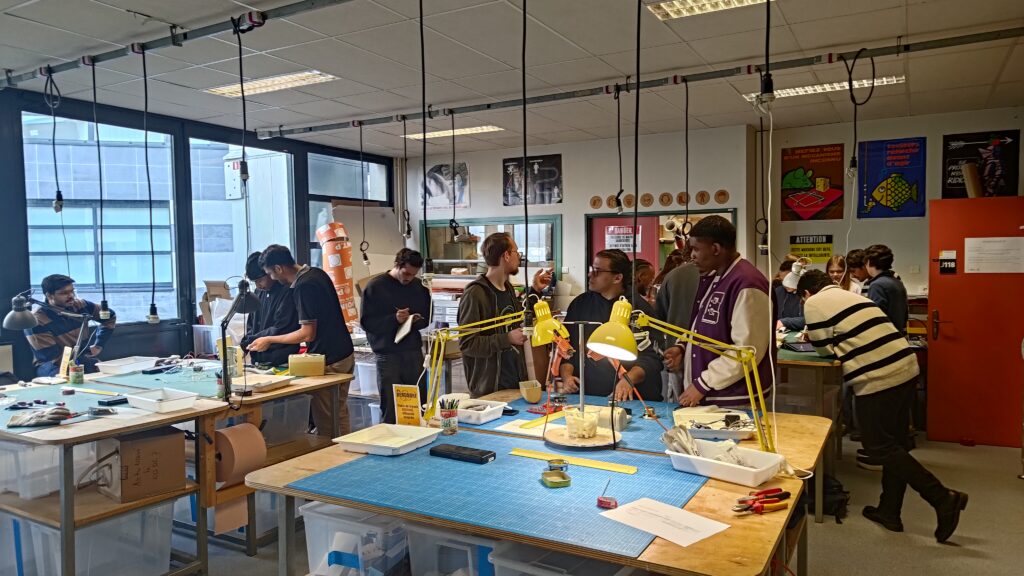
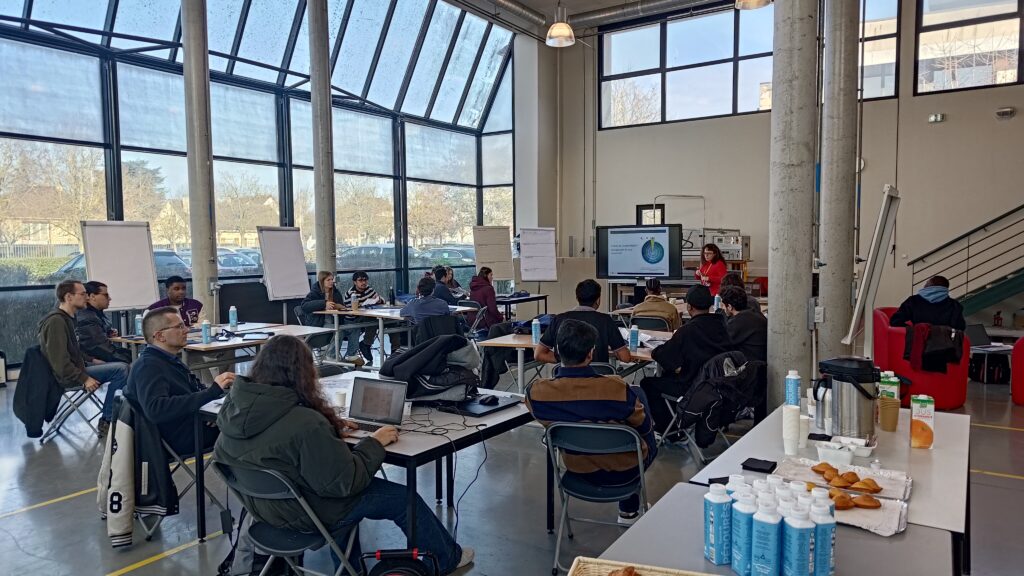
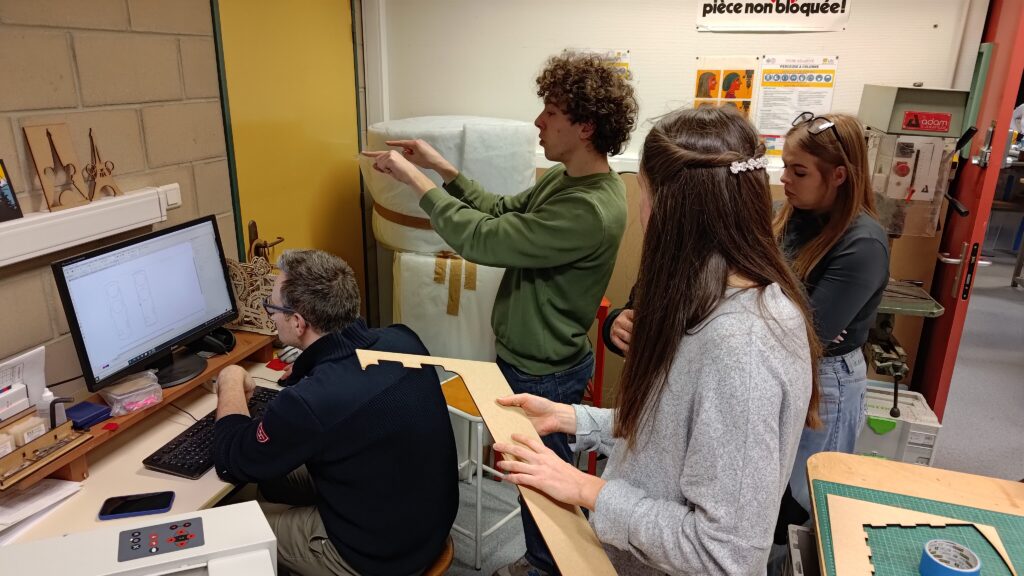
The program began with introductory sessions on loudspeaker fundamentals, enclosure design, and the history and aesthetics of speaker construction. Participants toured the workshop facilities, received safety training, and started hands-on work by disassembling used desktop speakers in preparation for the upcycling process. On the second day, students visited the TRI D3E Paprec recycling center, where they gained first-hand insight into electronic waste processing and the environmental challenges associated with e-waste. This experience directly informed the creative workshop sessions that followed, during which teams began developing their own upcycled loudspeaker concepts. Preliminary designs were presented and discussed, allowing participants to receive early feedback and validation.
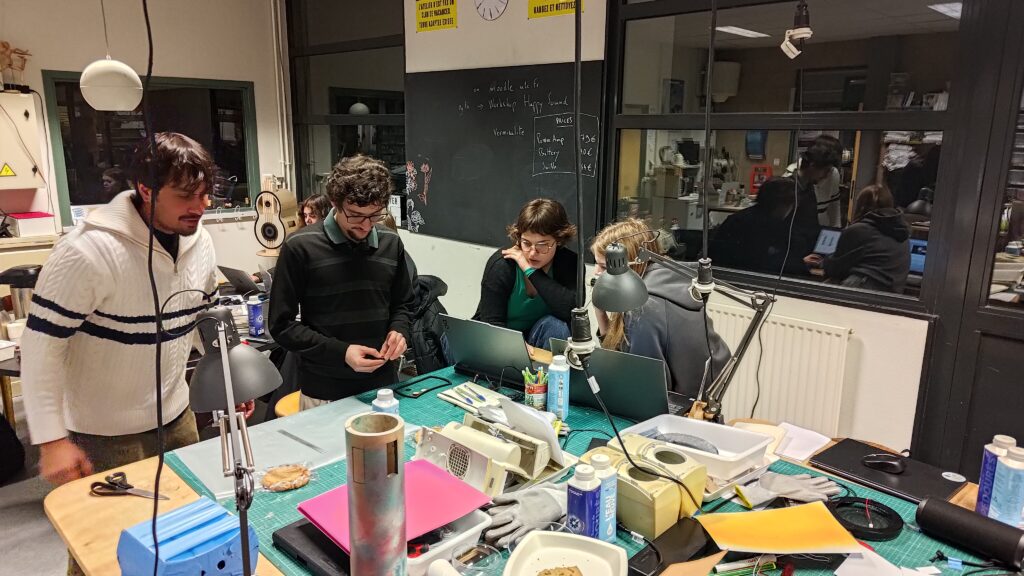
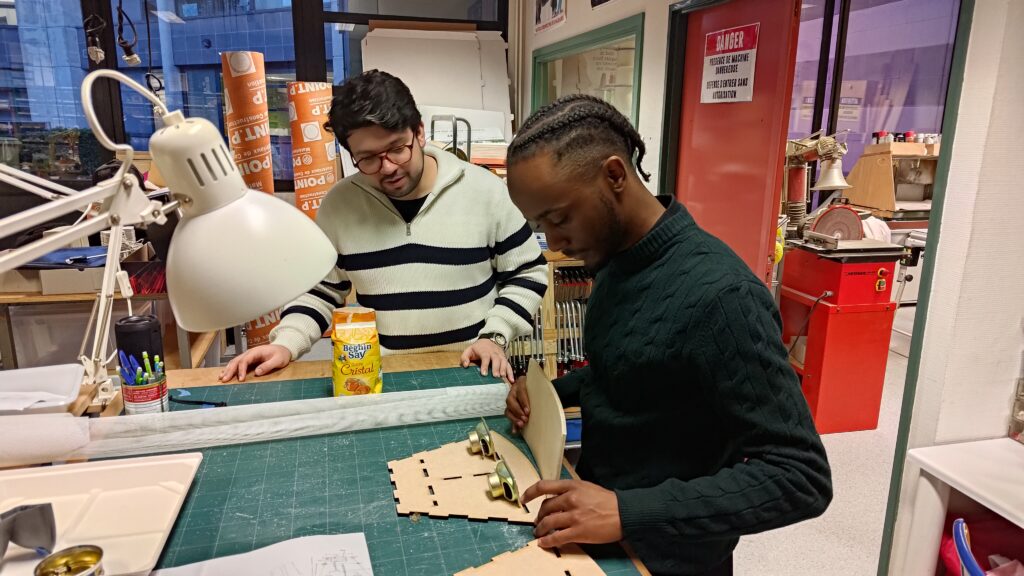
The following days focused on teamwork, prototyping, and iterative design, with students refining both the technical and aesthetic aspects of their projects. A strong emphasis was placed on sustainability, encouraging participants to consider material reuse, environmental impact, and responsible design choices throughout the process.
Final day: presentations, testing, and reflection
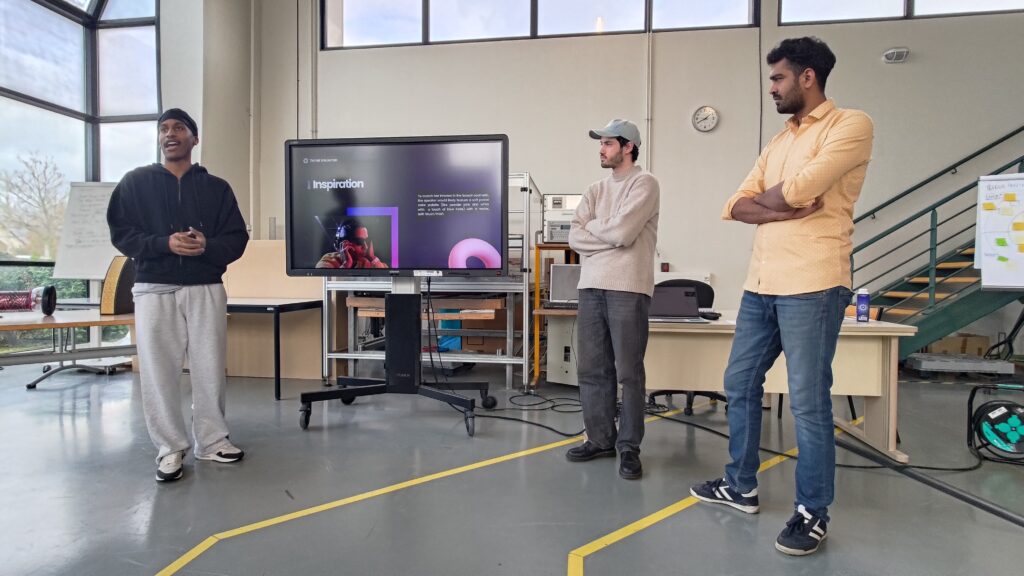
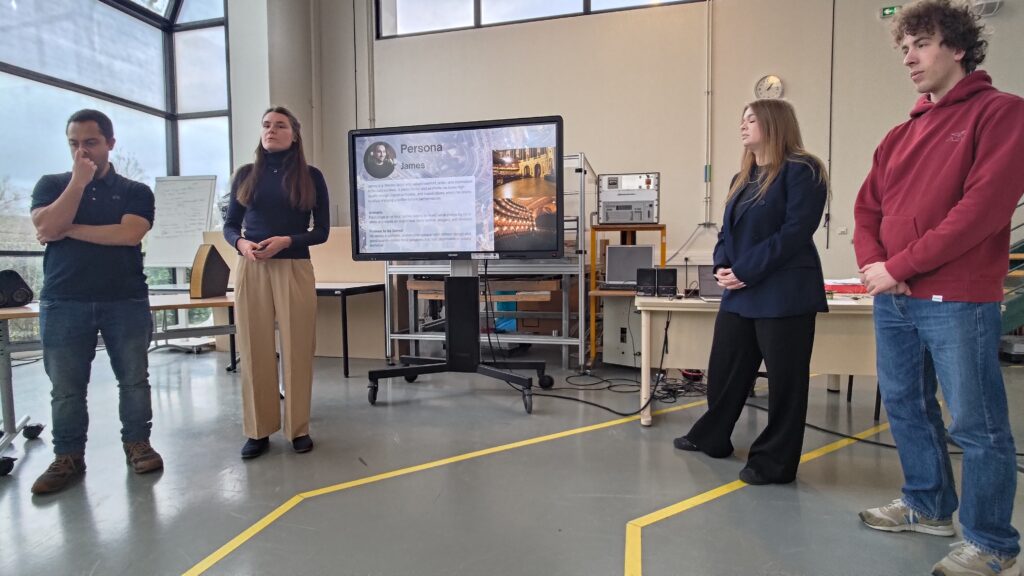
The final day of the workshop was dedicated to final touches on the loudspeakers, ensuring that each project was fully completed and ready for presentation. Teams then delivered their final reports, summarizing their work over the entire week. These presentations included technical aspects of the designs as well as a clear focus on sustainability and environmental impact. To support this analysis, participants used specialized software introduced during the workshop to perform a Life Cycle Assessment (LCA). This allowed them to evaluate how their upcycled loudspeaker designs affect the environment across different stages of the product lifecycle. The LCA results formed an integral part of the final presentations. After the presentations, there was time for listening sessions and testing of the completed loudspeakers, giving participants the opportunity to experience the outcomes of their work. The workshop was not competitive — no winners were selected, as the event emphasized learning, collaboration, and shared achievement. In that sense, all participants were winners.
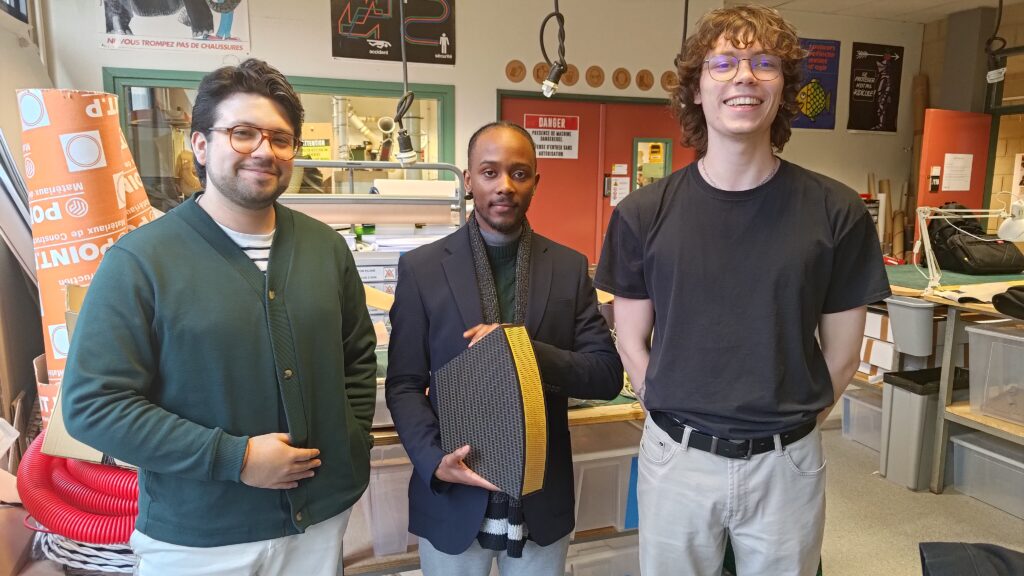
The event concluded with acknowledgements, group photos, and a final presentation showcasing loudspeaker projects previously developed at UTC, offering additional inspiration and context for the work completed during the week.
A valuable experience
The Happy Sound 2026 workshop provided participants with practical skills, new perspectives on sustainable design, and valuable international experience. It successfully combined technical education with environmental awareness, leaving students better equipped to address future challenges in design and engineering.